Trending

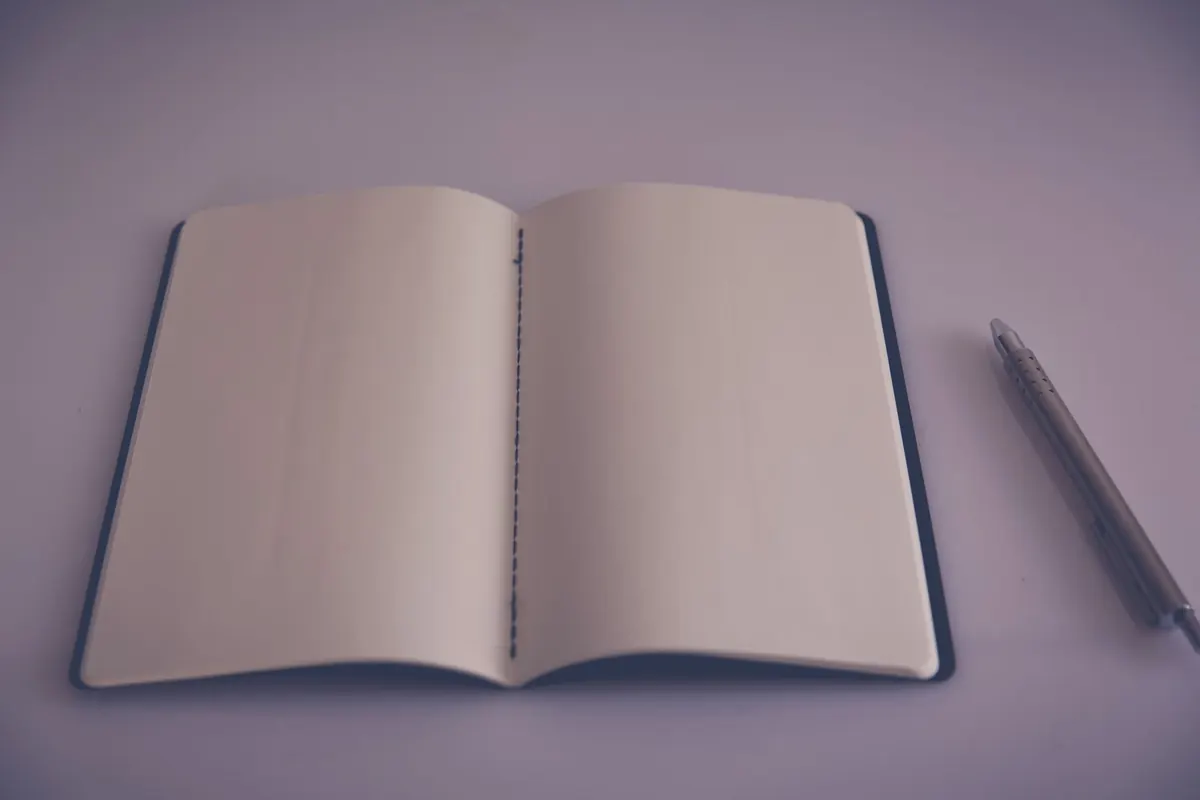
Most people's first attempt at journalling looks like a diary entry written in a rush: what happened, who said what, lights out. That version has its uses, but it rarely tells you anything you didn't already know. The journalling that changes how you think is slower and nosier — it asks questions back. You don't need a leather notebook, a five-in-the-morning routine or any talent for writing. You need ten minutes, something to write on, and a willingness to be a little more honest on the page than you are out loud. Here's how to begin tonight.
Thoughts loop. In your head, the same worry can circle for hours without ever reaching a conclusion, because thinking is fast and slippery. Writing slows it to the speed of your hand. You have to finish one sentence before starting the next, and that small constraint is what turns a vague mood into something you can look at.
Two things tend to happen after a few weeks. Problems shrink, because a fear written down is usually more specific — and more manageable — than a fear felt. And patterns appear. The same irritation about the same meeting. The same excuse about the same deadline. On paper, repetition is hard to miss.
One honest note: journalling is a reflective habit, not a treatment. If you're dealing with low mood, anxiety or anything that feels bigger than a notebook can hold, speak to your GP or a qualified mental health professional. Writing alongside proper support helps; writing instead of it doesn't.
Write first. Make sense of it later — if at all.
Pick one. Give it ten minutes. If a prompt produces nothing, that's information too — move to the next one and come back another night.
Not "fine" or "stressed" — the precise version. Irritated, relieved, envious, bored, hopeful, left out. Vague labels keep you stuck; accurate ones loosen their grip. Write the first word that fits, then describe what it's attached to.
The email you didn't send. The conversation you postponed. The walk you skipped. Don't judge it. Describe what you did instead, and what you were afraid would happen if you hadn't.
We are built to remember what went wrong. Redress the balance: one small thing that went right, and the part you played in it. Do this often enough and you build evidence that your effort matters.
Write for five minutes as though you'd been watching your own week from the other side of the room. You'll often spot something obvious that felt invisible from inside it.
Uncomfortable and worth it. It might be about work, a relationship, your spending or a habit. You don't have to act on it tonight. Writing it down simply stops you spending energy on not knowing it.
Turn reflection into one small decision. Name one thing you want more of and one thing you'll reduce. Specific beats grand: "Twenty minutes walking before work" is a plan; "more exercise" is a wish.
Most hesitation isn't a lack of information, it's a lack of permission. Answer honestly, then write the smallest first step and the day you'll take it. A date, not "soon".
Attach the habit to something you already do — after brushing your teeth, with your morning coffee, once the kitchen is tidy. Ten minutes, three nights a week, is a genuine practice. Anything more ambitious usually collapses in the first fortnight.
Once a week, read back over what you've written. Not to judge it, but to notice repeated words, repeated worries and the promises you keep making to yourself. Keep your favourite prompts on the last page of the notebook so you never sit down without a starting point.
So: tonight, choose prompt one or two. Set a timer, date the page and write until it rings. The people who get the most from journalling aren't the ones with the neatest notebooks; they're the ones who kept going on the evenings they had nothing impressive to say. Twelve minutes from now, you could have a page of your own thinking in front of you — which is more than most days give you.
Photo: Markus Spiske / Pexels